Trusted Arborists Houston
In Houston, professional arborists deliver tree care experts who focus on environmental care, safety, and tree wellness. They leverage comprehensive understanding of tree biology, pest control, and sustainable techniques to ensure your trees flourish. Their precision pruning and disease management practices are tailored for ideal growth and resilience. When examining structural soundness or using environmentally conscious pest control, they provide exceptional service. Explore the expertise and value that protect your landscape's health and aesthetic appeal.
Core Findings
- Certified arborists in Houston deliver premium tree care services for local species
- Expert tree maintenance enhances home value by providing better aesthetics and tree health.
- Strategic pruning and disease prevention practices guarantee healthy development and lower pest problems.
- Green pest control techniques safeguard environmental balance and improve tree vitality.
- Dependable tree care services incorporate safety practices and complete environmental impact understanding.
The Significance of Professional Tree Maintenance
Though numerous homeowners consider manage their own tree care, qualified tree care specialists are vital for maintaining tree health and safety. Many don't realize how sophisticated tree care can be, demanding an in-depth knowledge of biology, soil science, and environmental factors. Qualified tree care experts possess the knowledge to identify diseases and pest infestations that could harm your trees. Their expert experience ensures that fertilization, pruning, and mulching are executed correctly, encouraging sustained growth and vitality. Arborists utilize specialized equipment and methods, minimizing the chance of harm or damage to the tree. Relying on experts with tree care enables a complete analysis of tree stability, guaranteeing your trees remain strong and secure in the urban environment.
Important Benefits of Tree Upkeep
By prioritizing regular tree maintenance, you actively enhance the overall health of your trees, supporting robust growth and lowering disease susceptibility. This forward-thinking method not only assures a healthy landscape but also considerably improves your property's resale value. Regular upkeep, including maintenance and checks, leads to healthier trees that aesthetically and financially improve your landscape.
Improved Tree Wellness
Routine tree maintenance is essential for improving tree health, as it involves critical techniques and practices that help trees flourish in their environment. Initially, focus on soil health, which establishes the foundation for healthy tree growth. Conduct soil testing to evaluate nutrient deficiencies and amend with organic matter to encourage root development. Proper water management is similarly important, as irregular watering can strain trees, making them prone to diseases. Use drip irrigation systems to supply precise moisture levels, ensuring trees receive proper hydration without over-saturation. Additionally, timely pruning clears dead or diseased branches, promoting airflow and minimizing pest infestation risks. By incorporating these practices, you'll greatly boost your trees' durability, guaranteeing they thrive in any Houston climate conditions.
Improved Property Value
Consistent tree upkeep substantially improves your property's worth by enhancing its aesthetic appeal and guaranteeing the durability of its green assets. Healthy, maintained trees improve property aesthetics, producing a attractive setting that appeals to prospective buyers. Properly preserved trees offer temperature control, decrease energy expenses, and enhance air purity, increasing your property's appeal.
Routine tree management and upkeep reduces overgrowth and potential storm damage, while preserving the strong framework of your trees. This proactive approach emphasizes the value of landscape maintenance in real estate value. By managing potential hazards and fostering tree health, you both preserve and improve your real estate investment. Hiring qualified specialists ensures that your trees stay healthy and attractive, thus optimizing your property investment value.
Expert Guide to Tree Pruning
When implementing professional tree pruning techniques, it's vital to comprehend the substantial benefits of proper pruning, including promoting healthy growth and preventing disease. It's necessary to utilize professional tools like bypass pruners and pole saws to achieve precise cuts and prevent damage. Mastering these approaches not only enhances the visual appearance of your trees but also extends their lifespan by promoting a strong structure.
Advantages of Professional Tree Trimming
Although frequently neglected, careful pruning is vital for ensuring trees remain healthy and well-structured, employing specialized methods to ensure optimal outcomes. With careful implementation of pruning practices, you can improve a tree's aesthetic appeal and vigor. Season-based maintenance, tailored to each tree species, maximizes development while reducing health threats. Cold-season pruning promotes strong spring development, while summer pruning controls shape and size, controlling abundant leaf growth.
Strategic trimming encourages sturdier tree limbs, enhancing storm resilience and minimizing damage potential. It also enables improved solar access and air movement, which is essential for photosynthesis and disease prevention. Removing damaged or unhealthy limbs stops rot from advancing, safeguarding the tree's long-term vitality. Consequently, properly performed pruning increases property aesthetics and contributes to a vibrant, enduring ecosystem.
Pruning Tools and Techniques
To get the best outcome with proper pruning, using the right tools is paramount. Choose bypass pruners for precise cuts on smaller branches, ensuring precision in your pruning practices. Loppers are ideal for intermediate limbs, providing the power needed for thicker branches. For bigger branches, a pruning saw becomes necessary; its sharp serrated blade easily navigates dense wood. Anvil pruners, while not as accurate, are effective for removing dead wood.
Remember pole pruners, that extend your reach to high branches, minimizing the need for ladders. Each of these pruning tools serves a specific role, supporting effective tree care. Consistent upkeep of your equipment, including sharpening blades and cleaning, ensures they work at their best, protecting the tree's structure and health.
Identifying and Treating Tree Diseases
Timely detection and treatment of tree diseases will often determine preserving or losing an important tree. Begin by inspecting leaves, bark, and roots for signs like unusual spots, discoloration, or wilting. You might encounter fungal infections, bacterial blights, or viral diseases. Once diagnosed, choose suitable remediation options for the specific condition. For fungal infections, consider using fungicides, remembering to follow application directions precisely. For bacterial diseases, you may need cutting away diseased sections to control infection. Viral diseases usually demand thorough intervention, sometimes including complete tree removal. Implementing these strategies can enhance your tree's wellness and survival. Frequent observation assists in spotting problems early, increasing treatment success rates.
Pest Prevention Techniques for Healthy Trees
Once you've addressed tree diseases, it's crucial to address another major challenge to tree health: pests. Begin with exact pest identification. Early detection allows you to select the most suitable control measures. Check leaves, bark, and branches for indicators of borers, aphids, or caterpillars. Use magnification tools if needed to identify minute infestations. Once identified, think about organic treatments as a eco-friendly approach. Diatomaceous earth, neem oil, and insecticidal soaps offer reliable control without damaging beneficial insects or the environment. Regular application of these treatments can keep pest populations at bay. Remember to monitor tree health consistently. Strong trees are less vulnerable to pest infestations, so implement proper mulching, watering, and pruning methods to enhance tree resilience against these ongoing threats.
Tree Care Safety Guidelines
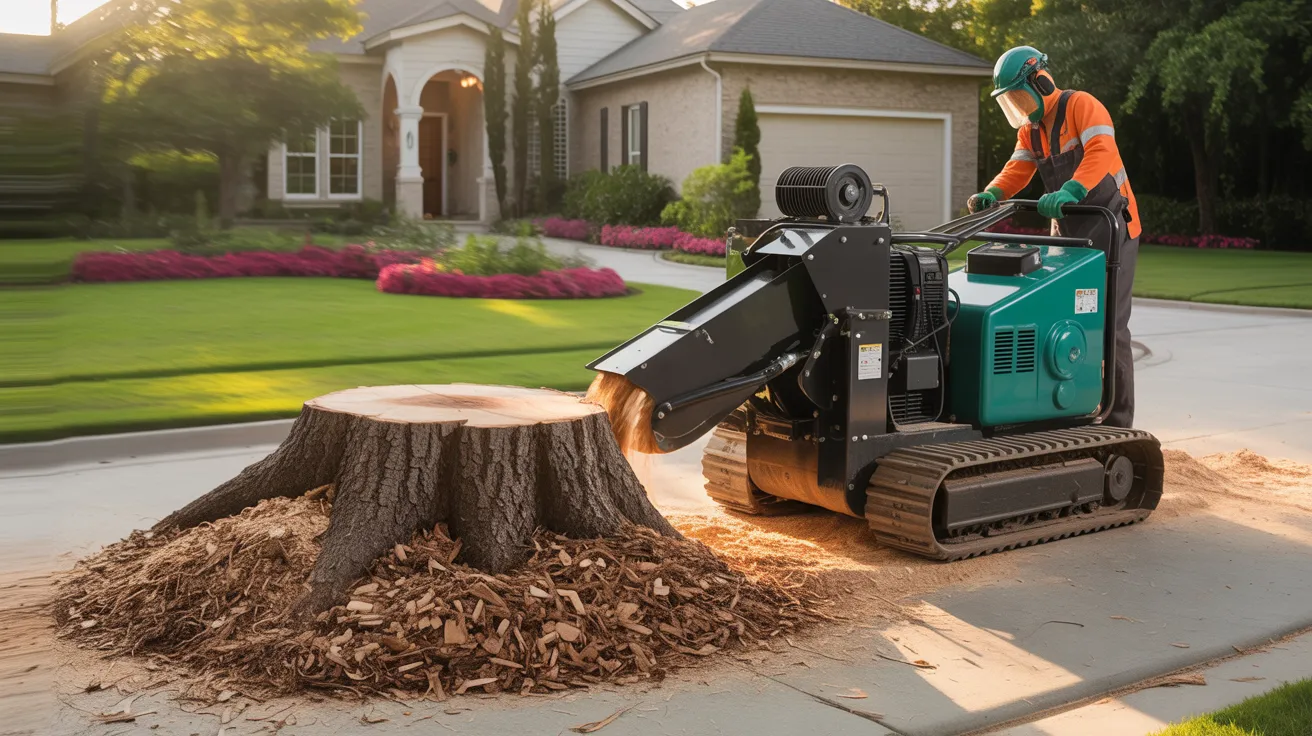
Safety plays a vital role in tree care services, as it ensures the security of both workers and property from potential hazards. The first step is with a thorough risk assessment to detect safety concerns, such as unstable branches or location near power lines. Make use of with safety equipment, including helmets, gloves, and harnesses, to improve tree safety during service delivery. Consistently employ well-maintained tools and machinery, examining them rigorously before each use to prevent malfunctions. Create clear communication among team members using designated communication methods, confirming everyone is cognizant of ongoing tasks. Establish controlled drop zones to handle falling debris, maintaining non-essential personnel and bystanders at a secure perimeter. Prioritizing these protocols guarantees a safe environment for successful tree care services.
Sustainable Practices in Tree Maintenance
Adopting sustainable practices in tree maintenance not only complements safety protocols but also ensures the lasting vitality and vibrancy of urban forests. You can attain this by employing environmentally conscious techniques that reduce environmental impact. Begin by incorporating organic fertilizers, which enhance soil fertility without introducing harmful chemicals. These fertilizers release nutrients slowly, promoting stable growth and reducing runoff pollution.
Establishing integrated pest management (IPM) is another essential eco-friendly technique. IPM prioritizes using biological control agents and monitoring to control pest issues, decreasing the need for chemical pesticides. Moreover, implement pruning practices that focus on tree health and structural integrity, ensuring minimal waste. By choosing native species, you enhance biodiversity and resilience, enabling your urban forest grows sustainably.
Finding the Ideal Tree Care Professionals in Houston
What's the best way to determine you're picking the finest tree care experts in Houston? Initially, verify they work with certified arborists. These specialists possess comprehensive knowledge about local tree species and adhere to industry standards. Verify their tree service qualifications. A reliable company should have appropriate insurance coverage, licensing, and industry certifications from established organizations, like the International Society of Arboriculture (ISA). Don't hesitate to ask for references and examine their past projects. Assessing their track record confirms quality and dependability. Additionally, consider their stance on both safety and environmental impact. Experts should focus on safe practices while implementing sustainable techniques. Finally, obtain detailed estimates from multiple providers to compare both cost and scope. By adhering to these recommendations, you'll secure exceptional care for your trees.
Common Questions
How Often Should Trees Be Watered in Houston's Climate?
Considering Houston's environment, you need to concentrate on deep tree watering instead of frequent watering. Typically, you should water every seven days, making adjustments based on climate factors like precipitation and heat. When conditions are hot and dry, water twice per week. Make sure water reaches tree roots, generally located 12-24 inches deep. Use a slow soaking technique to avoid excess runoff and support root expansion. Keep in mind excessive water can be just as damaging as insufficient water.
Are There Specific Trees Recommended for Houston Gardens?
Keep in mind that 70% of Houston's precipitation takes place between May and October. You should think about planting native species such as the Live Oak or Bald Cypress, which flourish in this climate. These trees are drought-tolerant, suited to enduring Houston's dry spells. Local varieties are naturally equipped for the local ecosystem, reducing the need for extra water and maintenance. Their resilience allows them to prosper, providing shade and beauty to your landscape year-round.
What Is the Best Time of Year for Tree Planting in Houston?
Autumn is the best time for planting trees in Houston, making it the ideal planting season. Be sure to account for seasonal elements like milder weather and more frequent precipitation, which minimize stress on newly planted trees. This season permits roots to strengthen before summer's harsh check here temperatures begin. By planting in fall, you're setting up for stronger growth and maximizing your tree's potential to thrive in Houston's weather conditions.
How Do I Spot a Tree in Need of Emergency Services?
Recognizing a tree that needs immediate attention is crucial for its survival! Watch carefully for clear warning signs: foliage falling prematurely during the height of summer, unstable branches that seem ready to fall, or a trunk that exhibits concerning symptoms. These are warning signs of serious tree problems. Act promptly, check for signs of disease, and consult an arborist to protect your green companion.
Do Tree Roots Pose a Risk to Houston Home Foundations?
Yes, tree roots can cause foundation complications in Houston. You'll notice tree root damage when roots penetrate structural openings, putting stress on foundation structures. Over time, this results in door and window misalignment, and cracks in walls. Houston's clay soil compounds these concerns, rising and falling with moisture changes, putting additional strain on foundations. It's crucial to watch tree placement and get professional help for effective management and prevention strategies.
In Conclusion
You've ventured through the world of professional tree care, discovering the art and science that preserve Houston's trees healthy. With qualified care, your trees stand tall and proud, providing benefits like cooling shade and natural aesthetics. Professional pruning techniques and vigilant disease management maintain they remain healthy, while pest strategies protect them from unseen threats. Sustainability and safety are your key principles. Work with the right professionals, and your landscape will be a testament of nature's splendor and resilience.